Disaster season is here – with the second tornado to rip through Oklahoma in the last few days, disaster prep should be top of mind for caregivers. Read Sherri’s emergency preparedness article for PBS/Next Avenue about ensuring your loved one’s safety by having a family disaster plan in place.
Emergency Preparedness for Your Older Loved One
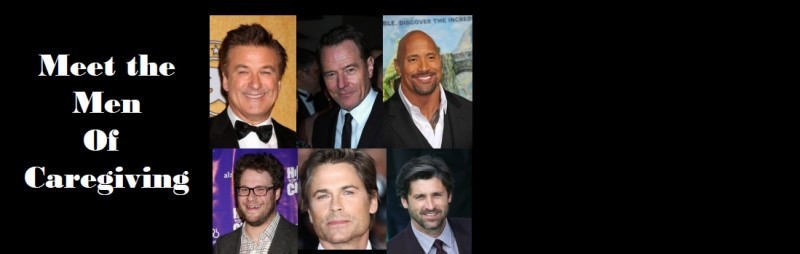
Men As Caregivers
June is all about men – fathers, sons, husbands, brothers, uncles – which is why we are highlighting that 34% of the 65 million caregivers are men. Watch for our blogs this month about how men are different (or not so different) when it comes to caregiving and a rundown of some of the famous men who have cared for loved ones.
Alzheimer’s Prevention Initiative
Help us reach 10,000 registrations by May 31 – it’s FREE. Sign up at the Alzheimer’s Prevention Initiative, an international collaboration to find ways to prevent the Alzheimer’s disease that affects 36 million worldwide. It’s about ADVOCACY. It’s about ACTION. It’s about ending ALZHEIMER’S in our lifetime.
How to Avoid the Goldilocks Syndrome
Sherri Snelling’s blog about how caregivers can help aging parents find the best alternative senior living arrangement on the first try appeared on Forbes and originally was published on Next Avenue. Read the full articles which include 5 Tips on how to best plan for moving your loved one into their new home.
June National Safety Month
Read our blogs this month celebrating 100 Years of National Safety Month. Whether you are helping to make a loved one’s home safer, adopting safe senior driving skills or becoming better prepared as a family for an emergency or disaster, watch for these blogs throughout the month.
Volunteer to Help a Caregiver
To kick off National Volunteer Week, read my article for Huff Post 50 on 8 Ways You Can Volunteer to Help Caregivers.
Booklovers – The Home of Caregiving Club Reading Lists
Caregiving Club realizes that caregivers have precious little time to read but we felt compelled to create our reading lists for you anyway. You may only read a chapter at a time or pick up the book once your caregiving is done. Or we hope those who have not yet stepped into the caregiving spotlight may read one of these books to help you prepare to care.
We’ve chosen our favorite books in the following categories (see below for full lists): Family Caregiving, Spousal Caregiving, Alzheimer’s Caregiving, Caregiving and End of Life, Caregiving Spirituality and Inspiration, Caregiver Humor, Caregiving Books for Kids and Caregiver Health & Wellness.
We’ll be publishing these lists twice a year – March and November. We chose those dates because March 2 is Read Across America Day – commemorating Dr. Seuss who was a caregiver for his wife. November is National Family Caregiver Month and since it’s right before the holidays we felt it was a good time to update our lists.
If we missed a great book you feel other caregivers should read, let us know. Email us at: info@caregivingclub.com.
And, don’t forget to add Caregiving Club CEO Sherri Snelling’s book, A Cast of Caregivers – Celebrity Stories to Help You Prepare to Care, to your library.
Happy Reading!
Family Caregiving List vMar 2013
Spousal Caregiving List vMar 2013
Alzheimer’s Caregiving Journeys List vMar 2013
Caregiver Health and Wellness List vMar 2013
Spiritual and Inspirational Caregiving List vMar 2013
Celebrity Caregiving Journeys List vMar 2013
Humor in Caregiving List vMar 2013
Caregiving Books for Children List vMar 2013
Caregiving Tech – Preventing Falls and Isolation for Older Loved Ones
BOOMbox Network Product Review: Careline Home Safety Telephone System from VTech
As our parents grow older 8 out of 10 say they want to live out their golden years in their home (and not in a home) – something the aging network calls aging in place. And while most of the 44 million Americans who are caring for a loved one over age 50 are partners in this grand plan, we typically run into two challenges that can impact the health of our older loved ones living at home (and often alone): falls and isolation.
According to the Centers for Disease Control and Prevention (CDC) more than 2 million seniors are treated in Emergency Rooms from falls each year and every 29 minutes an older American dies from a fall at home. In addition, 40 percent of people over age 65 live alone, and often the sense of isolation, particularly after the death of a spouse, can lead to depression. More than 6 million seniors suffer from depression and older white males have the highest suicide incidence among any age group according to the National Alliance on Mental Illness (NAMI).
Technology is part of the master plan for caregivers wanting to help their parent stay independent but safe and connected. When it comes to caregiving technology, I have what I call my 3 Ps Test: Protection of your loved one, Prevention from health risks (including falls and isolation) and Peace of Mind for the you (the caregiver).
One technology solution comes from VTech and is called the CarelineTM Home Safety Telephone System. I was recently asked to review this new phone system by BOOMbox Network who taps into the community of bloggers on aging and caregiving*. Here is what I really liked about the product that I think helps solves several caregiving dilemmas:
- Value Package – In the same way McDonald’s has its value meal (you get fries and a drink with your burger) or Estee Lauder gives you a free gift with your purchase of make-up or perfume, VTech has created the same concept with its Careline package. Your parent gets a traditional home phone base with corded handset along with an additional cordless phone and cradle that she can have in her bedroom PLUS she gets a mobile pendant that has a one-button emergency response where you program in your number (as the caregiver) or other emergency numbers (more on this nifty gadget below). The whole package retails for $119.95 – or what you would expect to buy a home phone system (but you get the mobile pendant as your bonus gift).
- Universal Design (think senior friendly) – The large lighted buttons and high-contrast information displays on both the base unit and the handheld phone are something I wish all phones had but this is especially important for your older loved one whose eyesight often cannot read the smaller numbers on other phones or poorly lit displays. You can also activate voice caller ID so if your parent is in another room, she can hear it’s you calling rather than struggling to get to the phone quickly to see who it is (audio caller ID can also be activated on the mobile pendant).
- Onstar – Out of the Car and In Your Hand – In the same way Onstar systems made us all feel safer in our vehicles in case of emergencies, VTech has provided the brilliant mobile safety pendant as part of the package (which can be worn several ways). You can program up to two emergency numbers into the pendant and at the push of a button, your parent gets connected to safety. If your parent has fallen and may not be able to push the button, she can activate the emergency call with her voice. Best part? No monthly service fee as with most mobile personal emergency response systems (MPERS).
When AARP surveyed those age 65+ they found older Americans are interested in technology that keeps them safe – things such as preventing falls, turning off the stove if they forget, regulating the thermostat automatically, etc. Forty-six percent of these older Americans also reported they would be willing to give up a little privacy to have a monitoring device that alerted their family or others when they needed help.
For this review, the Careline system gets a thumbs up on my 3 Ps test offering protection and prevention for your parent and peace of mind for you as the caregiver.
Watch this Today Show clip on Careline and other caregiving tech products.
For more information, check out this nifty infographic from our friends at VTech:
*While I was paid for my participation in this BOOMbox Network campaign, I do not agree to review products until I have done my research to ensure I feel the product and company are credible and have something valuable to offer caregivers. All opinions in this blog are my own.
CAREGIVING MATCHMAKERS – How to Find “The One” When it Comes to Home Care and Senior Living Options
Finding in-home care services or alternative living options for your parent or other loved one – whether it is assisted living, nursing home or personal care services at home – is one of the dilemmas caregivers face. You can conduct an online Google or Bing search but how will you know if the options are the best choices – both in quality of care and cost?
Now there is a new breed of online service providers who will find your “soul mate” in terms of caring for your loved one. Similar to relationship matchmaking services (think Match.com or OurTime.com for dating), you create a profile with specific details about what you and your loved one are looking for, view the options matched to your profile, coordinate a meeting or tour of the facility and hopefully fall in love.
What you need to know before starting your search for the perfect match is to look at this like a job interview and you are the hiring boss:
- Create a detailed profile or job description – talk to your loved one about what you both need and be as specific as possible. Special meal preparation (e.g., your loved one is lactose intolerant), language issues (the care worker needs to be bi-lingual) or specialized services (such as for those with dementia) need to be considered.
- Know your monthly budget. In some instances, you may be able to negotiate on fees for in-home care services directly with the care worker but only if you know the going rates and your budget limits. You will also need to know the difference between personal care workers versus home health aides or licensed registered nurses – there are legal limitations to what unskilled workers can provide (such as medication or injections or changing dressings for bed sores).
- Always ask for background checks and referrals and make sure you follow-up with previous employers. You want to know if the worker you are hiring was reliable and kind as well as skilled.
- Check out the job candidates’ social media activity – it’s amazing what you can learn about someone from their Facebook, Twitter or other activities that may give you pause.
Keep in mind these types of online caregiver matchmaking services make their money in one of two ways: either you will pay a fee for their service or they are paid by the facility or service providers to make referrals. I am not making an argument one way is better than another. Each option has advantages and disadvantages and you must weigh cost versus value. I advise some professional guidance is always helpful so I do recommend you do not do it all on your own. If you do decide to skip the matchmaker services for in-home care such as those listed below, beware of Craig’s List or gray market workers that you can find word-of-mouth from other caregivers or through local community online classified ad listings. After all, these workers will come into your home or the home of your loved one and watch over your most precious thing in life so saving a few pennies is not always the best plan.
Following is a rundown of some of these different senior care matchmaking services:
A Place for Mom.com – This service site allows you to put in your zip code and the type of senior living facility you are seeking to receive your matches. You can compare amenities and costs; and if you aren’t sure which type of facility you need, there is a toll-free number you can call to talk to a Senior Living Advisor. The advisor can then meet you to tour the facilities you want to see in person. The cost to caregivers is free since the list of 18,000 facilities pay to be listed as part of this service. Joan Lunden serves as their celebrity spokesperson after she used the service to find a facility for her mom who has dementia.
Care.com – This site offers a wide spectrum of in-home and facility care options for families including child care, senior care and pet care. It also offers services to employers and military/government organizations needing back-up care for its caregiving employees. You are asked to post a job description and provide a few details (such as your cost range), search for free and pay the health care worker or facility directly. Care conducts background checks and provides telephonic advisors for an additional subscription fee.
CareLinx.com – Offers an efficient and cost-effective way to find a personal care aide, also known as a personal care assistant. The matches are limited to personal care services such as meal preparation, transportation, medication reminders and companionship, also known as respite care. They do not provide skilled nursing care. Caregivers create a free profile for the care needed for their loved one, view online videos of the personal care worker selections, conduct a video chat interview with the home health aide or arrange to interview him/her in person and negotiate the fee. CareLinx manages the scheduling, billing and other necessary administrative tasks to make this a fully integrated service. And since the health care service is provided through an online virtual agency rather than a bricks and mortar location such as other health service agencies, ultimately the caregiver saves money because there are limited overhead costs.
Sherwin Sheik, CEO and founder of CareLinx, created the service after experiencing his family’s struggle with in-home care for his sister who has multiple sclerosis and his uncle who had ALS. He says, “Traditional home health agencies have a minimum number of hours or limited weekend services available. We have no set minimums. We fill the gap for families who are disenfranchised and need to match their loved one’s needs with the family budget.”
Sheik advises that a recent client was a caregiver in Phoenix who needed to find in-home care for her father in Los Angeles after his hospital discharge. She used CareLinx and will ultimately save about $10,000 over the next 12 months for the care service versus using a traditional agency.
CareScout.com – This is the same service that administers the AARP Caregiving Help and Advice from Genworth. Both an online and offline service, the database of local senior housing and home health care service options includes 90,000 entries across the country which caregivers can search free of charge. For a membership fee (or included in AARP membership where caregivers can access the information using a loved one’s AARP member ID), caregivers can receive the SmartMatch service, which matches your loved one’s care needs to specific providers in your loved one’s area. CareScout has created an extensively detailed database with care provider answers to more than 80 questions about its service including holiday and weekend rates and split shift offerings. CareScout uses this information to create its own rating system that caregivers can review. In addition, the services are also rated by the caregivers or loved ones receiving the care provided, so you get a second rating from actual users to help you make an informed decision.
CareScout also offers Care Advocates – its own network of professionals across the country who can conduct assessments and help caregivers put together a care plan for their loved one based on a variety of needs. Bob Bua, president of CareScout, a Genworth company, says, “I like to say we’re old-fashioned because we offer both the convenience and information at your fingertips of online caregiving services but we also offer the in-person, high-touch service so many caregivers need for peace of mind.”
Caring.com – This is the highest traffic online site dedicated just for caregivers, with a lot of great articles and information such as state-by-state senior driving laws and Medicare information. While the site’s main focus has been educational content and tools such as the Alzheimer’s Steps and Stages for care transitions planning for dementia caregivers, it also offers toll-free telephonic service to talk to a Caring Advisor who is a non-commissioned customer service professional who can help caregivers understand different care options. For instance, Caring has a senior care finder of more than 100,000 resources for in-home help, housing options and Elder Law attorneys – all with ratings by other caregivers who have used the services.
This story excerpted from Sherri Snelling’s book: A Cast of Caregivers – Celebrity Stories to Help You Prepare to Care (Balboa Press, division of Hay House Publishers).
Rescue Me! The New Breed of Caregiving Avengers
Sherri Snelling’s latest article for PBS/Next Avenue is about Patient Navigators and how they can help caregivers keep calm and carry on. Click here to read the article.
Honoring America’s Unpaid Labor Force – Family Caregivers
While most of America celebrates Labor Day as the official end of summer, I will spend the day celebrating the nation’s most valuable yet overlooked labor force – the 65 million who are caring for a loved one who is aging, has a chronic illness, disorder or disability. When the U.S. government first established Labor Day in 1894, it was to “celebrate the economic and social contribution of workers.”
When it comes to economic and social contribution, a 2011 AARP report showed the value of those 44 million caring for someone over the age of 50 (this data does not include the additional 21 million caregivers for those under age 50) is $450 billion annually.
What does $450 billion in annual societal and economic value really mean? AARP compared it this way:
- That is $89 billion more than the total spent by the U.S government and state agencies for Medicaid in both health care and long term care services & support
- That is $42 billion more than the total sales of the country’s largest company – Wal-mart – and $11 billion more than the total sales of the three largest auto makers – Toyota, Ford, Daimler – combined
- It would be equal to these caregivers handing each and every American citizen $1,500
- It would represent 3.2 percent of the U.S. gross domestic product (GDP)
In fact, if the family caregivers were to all just “walk off the job” today – we would have a health care crisis of unimaginable proportion. They provide 80 percent of the care needed to keep our rapidly growing aging society – 35 million over age 65 today growing to 70 million in 10 years – living at home as independently and as long as possible.
Creating Caregiving Inc.
While caregivers face a fragmented, complicated health care system, there is help and hope. In order to manage the stress and avoid the burn-out that is often part of caring for a loved one, caregivers need to do two things:
- Identify they are a caregiver. AARP and the Ad Council recently launched a three-year public service announcement (PSA) campaign to help caregivers identify as caregivers to avoid the isolation that can come with caring for a loved one.
- Once caregivers self-identify they need to reach out and accept help. One of the first things to do is to avoid the typical caregiver pitfall of feeling “all alone.” A great way for caregivers to start is by creating their own personal board of directors.
When it comes to starting a new venture, any successful company typically creates a board of directors. Caregiving is really no different. Caregivers should think of family members and circle of friends. Is there an attorney in their midst? An accountant, financial planner or perhaps a health insurance executive? How about a nurse or social worker? In life, we all have people around us who we tap for good advice, and we often turn to different people within our circle because they have an expertise in an area where we need help.
If caregivers can think of caring for a loved one as Caregiving Inc., then they are the Chairman of the Board. Once caregivers have identified their personal board of directors, they should sit with each one and explain where and how they need help. Often, friends and family are eager to lend a helping hand, and if their help happens to be in their wheelhouse of expertise all the better. Caregivers will get help, friends and family will feel good about helping and Caregiving Inc. will be a sustainable, healthy venture.
Sherri Snelling, CEO and founder of the Caregiving Club, is a nationally recognized expert on America’s 65 million family caregivers with special emphasis on how to help caregivers balance “self care” while caring for a loved one. She is the former chairman of the National Alliance for Caregiving and her book, A Cast of Caregivers – Celebrity Stories to Help You Prepare to Care will be published by Balboa Press, division of Hay House Publishing in February, 2013.
Happy Birthday to Caregiving’s Pioneer – Rosalynn Carter
She said it first and she said it best: “There are only four kinds of people in the world: those who have been caregivers, those who are currently caregivers, those who will be caregivers, and those who will need caregivers.”
As one of the pioneers behind a growing caregiving movement in this country, Mrs. Carter became the first public figure to truly champion the cause of those 65 million Americans today caring for loved ones who are older, chronically ill, disabled, have special needs or are challenged by mental illness.
Our caregiving contributor, Sherri Snelling, talked with former First Lady Rosalynn Carter about the strides made for caregivers over the last few decades and what her hope is for the future. They also talked about her caregiving roles – providing comfort and care to multiple family members over the years. As Mrs. Carter gets ready to celebrate her 85th birthday on August 18, Sherri asked her to share her wish list for caregivers in this country.
A Backwards Glance
“My work with caregiving grew out of my mental health work,” says Mrs. Carter. “I had seen so many families burdened with caregiving for those with mental health issues. When we convened a meeting in the 1980s to discuss caregiving issues, it quickly spread from there.” She had reached out to organizations such as the American Heart Association, the American Lung Association, the American Medical Association and other groups that could help both family caregivers and health care professionals. Amazingly all these groups agreed that caregiving was critical to the health of the patient but no one had any focused caregiving programs.
That was then. Over the last three decades, Mrs. Carter is encouraged by the public support for caregivers. She points to essential government programs such as the National Family Caregiver Support Program, authorized as part of the Older Americans Act, and administered through the Administration on Aging, it provides grants to states to help caregivers keep loved ones at home as long as possible. She also believes programs such as the Lifespan Respite Care Act are critical to helping caregivers with a huge issue identified back in those early 1980s meetings: burn-out. To avoid burn-out, caregivers today can find respite services, training and other information through the ARCH National Respite Network and Resource Center.
“Of course we always want more but it is wonderful to see how this issue [of caregiving] has become a major, major issue,” says Mrs. Carter.
She is also proud of the fact that the program she founded and which bears her name, the Rosalynn Carter Institute (RCI) for Caregiving at Georgia Southwestern State University is the “only university with a caregiving program.” In talking with Dr. Leisa Easom, executive director of RCI, the Institute is focused on taking evidence-based research to understand caregiver needs and then translating that research into programs. Since 1987, RCI has been a leading advocacy, education, research and service unit for caregivers at the university and beyond the campus. Working with numerous national organizations and community-based services across the country, RCI recently launched a satellite program in Korea and will continue to expand its caregiving expertise and support internationally.
While Mrs. Carter is proud to have founded the first university-based caregiving program, she has only started. Her hope is that the global aging crisis will encourage even more sectors, including government, academia and U.S. businesses, to understand the importance of focusing on the caregivers and the services and support they need.
Birthday Wishes for Caregivers
Mrs. Carter has several wishes for caregivers that she would like to see come true over the next several years. They include caregiver education and support to deal with grief as well as guilt. She feels coping with these twin demons can help caregivers on their path to self-care which is so critical for dealing with the overall long term care issues in this country.
“The first thing we focused on back in the 1980s was caring for the caregivers,” she recalls. “I spoke at a caregiving event back then and audience members came up to me afterwards crying saying that this was the first time someone understood what they were going through.” She also advises, “People don’t want to admit that they are caregivers, they feel it is just their responsibility to care for a mother or a grandmother,” says Mrs. Carter. Beyond self-identifying as a caregiver she also believes, “They also have to recognize the need for help and be willing to receive help.” She realizes this is easier said than done. I asked her if she had identified herself as a caregiver through the years and she laughed, “No, I didn’t realize I was a caregiver until I got involved in this work.”
She also hopes for continued understanding and acceptance of those with mental health issues, with a move toward eliminating the stigma that surrounds these individuals and their family caregivers. While she believes there is more attention to issues such as bi-polar disorder, schizophrenia, Alzheimer’s disease and post-traumatic stress disorder (PTSD), we need to move beyond awareness to acceptance and she feels that we are not there yet.
The programs that support the participation that Dr. Easom and RCI had in Averting the Caregiving Crisis, a report issued this spring by several caregiving thought leader organizations that identifies six key caregiving strategies are also part of Mrs. Carter’s hope for the future of caregiving: 1) Educating the public; 2) Understanding needs through evidence-based research; 3) Translating that research into programs; 4) Leading policy change around long term care; 5) Investing in sustainability for programs; 6) Creating more leadership around caregiving through public and private partnerships.
Her passion and advocacy come from a personal place and a lifetime dedicated to understanding the challenges – emotional, physical and financial – that accompany caring for a loved one. Rosalynn was only 12 years old when her father was diagnosed with terminal leukemia, a battle he lost just three months later. As the eldest daughter, she helped care for her ailing father and after his death supported her mother by also caring for her younger siblings. She took up caregiving again for several relatives with cancer after she left the White House. She relates how all of President Carter’s siblings succumbed to cancer and he also lost his mother to breast cancer. Rosalynn helped care for several of these in-laws and also cared for her mother for many years until she passed in 2000 at age 94. In 2002, she was called to care again for her younger brother who had a stroke. He was living all alone in Ohio so he moved closer to Rosalynn in Plains, Georgia, so she could care for him.
“I have seen firsthand why it is important for families to have places to go to for help – it is so crucial.”
As Mrs. Carter gets ready to blow out the candles on her birthday cake, she is looking forward to the fly-fishing vacation with former President Carter he has promised her. On August 18th we celebrate a true caregiving champion and let us wish that the spotlight Mrs. Carter has put on caregivers never dims. Happy Birthday Mrs. Carter!
Sandwich Generation Juggling Act – the 3 Cs (Children, Career, Caregiving)
July is Sandwich Generation Month celebrating the 24 million Americans who are literally sandwiched between caring for two generations. Representing approximately 38 percent of all caregivers, Sandwich Generation members are still parenting children living at home while they also care for older parents who now need more help.
Because Sandwich Generation caregivers tend to be in their 40s, 50s and even 60s, seven out of 10 are also juggling a career along with child rearing and caregiving. With so many balls in the air, the Sandwich Generation caregivers often feel overwhelmed, burned out and stressed to their limits. These caregivers are caught in a three-ring circus of children, career and caregiving, and they are the star juggling act. At some point, the ball that gets dropped is the one that says self-care.
According to the National Alliance for Caregiving, the typical Sandwich Generation caregiver profile is:
- 48-year-old woman
- Cares for her 74-year-old mother
- Has children under 18 at home
- Married and works either full or part-time
- Spends up to 10 percent of the household annual income on care-related costs for her parent
- Suffers from stress and burn-out and often some guilt
- Lack of time for self results in health impacts like insomnia, poor nutrition, little or no exercise, missed doctor or dental appointments and ultimately ongoing stress and even depression
The familial responsibilities can be overwhelming – soccer schedules and after school homework for the kids, doctor appointments or emergency calls from your mom at all hours, your husband feeling neglected, your boss feeling like you are slacking, your friends feeling like you dropped off the face of the earth (and some days you wish you could). The balls you are juggling feel more like 50-pound weights.
Sandwich Generation and Stress
Unfortunately when it comes to health risks – Sandwich Generation female caregivers are more at risk. Our society has long held that women traditionally fill the caregiver role – in fact 66 percent of all caregivers are women. While more and more men are becoming primary caregivers, most are backing up a wife who is the multi-tasking manic. Because half of the U.S. workforce is women, men are picking up the slack in caring for the kids or managing some of the household chores while a wife cares for her mom or dad. But, the emotional and often physical toll of caregiving still falls to women and stress becomes their constant companion. This stress comes from being S-T-R-E-T-C-H-E-D way too thin in all your responsibilities. Your obligations are overwhelming and everything is a priority.
In their book So Stressed, Dr. Stephanie McClellan and Dr. Beth Hamilton found that the evolution of women’s biology over the last 100 years have not caught up with the expanded roles that women play in today’s world including motherhood, career woman and caregiving. They further explain that the advances of communication technology while helping us in some areas of life have actually negatively impacted our bodies’ defenses to protect and heal because the constant disturbance of our peace with texts, emails or cell phone calls puts us on high alert at all times and actually isolates us rather than connects us.
Me Time Monday
One of the ways to de-stress is through Me Time Monday videos and tips created by the Caregiving Club as part of the awareness and education effort for the Caregivers’ Monday campaign from The Healthy Monday non-profit organization. A study from the Commonwealth Fund shows that family caregivers are twice as likely as the general population to develop multiple chronic illnesses earlier in life, partially linked to the prolonged stress that can be common when you are a caregiver. The Monday Campaigns public health initiative started in 2005 in association with Columbia Mailman School of Public Health, Johns Hopkins Bloomberg School of Public Health and Syracuse Newhouse School of Public Communications. It is based on research by Johns Hopkins showing that Monday has special significance as the beginning of the week – a critical unit of time when planning our lives. The research indicates that more people are likely to start and stick to a new plan on Monday rather than any other day of the week – whether it’s beginning a new diet, ceasing to smoke, scheduling doctor appointments or starting a new exercise regime. By joining together with the Caregivers’ Monday campaign effort, Caregiving Club underscores its mission to help caregivers balance self-care while caring for a loved one.
Circle of Friends
Sandwich Generation caregivers struggle to find the minutes needed for Me Time but there are online communities where they can find volunteer help so they can get a break. In many ways when a crisis event happens, caregivers are surrounded with well-meaning family and friends who ask, “What can I do to help?” Most caregivers don’t have a list in hand to give to someone with exactly the kind of help they need. In addition, coordinating all these requests is beyond the scope of reason for any caregiver at that moment. Until now. Online sites including Lotsa Helping Hands, CaringBridge and CareZone, have been created to help caregivers get the support and the break they need and give family and friends a place to create a “circle of support.”
“More than one million volunteers have joined Lotsa Helping Hands private communities to perform millions of tasks including: meal delivery for a care recipient or a caregiver’s family if they are busy with care-related duties; laundry; providing rides for seniors to the doctor or to get the kids to soccer if a caregiver has other responsibilities,” says Brooks Kenny, chief marketing officer for Lotsa Helping Hands. They also partner with more than 50 non-profit organizations, such as the Alzheimer’s Association and the National Family Caregivers Association. “Whatever, wherever, whenever the caregiver cannot get to something the circle of care community volunteers fill that gap by performing that task – all from a very detailed online Health Calendar that was created with the input of professional nurses and family caregivers.” Lotsa also recently launched their “Open” communities where local community residents can volunteer to help a caregiver and their family even if the volunteer does not personally know the family.
Caregivers I have talked to often say their caregiving is a “labor of love.” This July as we celebrate Sandwich Generation caregivers, let’s labor to give them some love back by lending a helping hand, a shoulder to cry on or a voice at the other end of the line that will just listen.